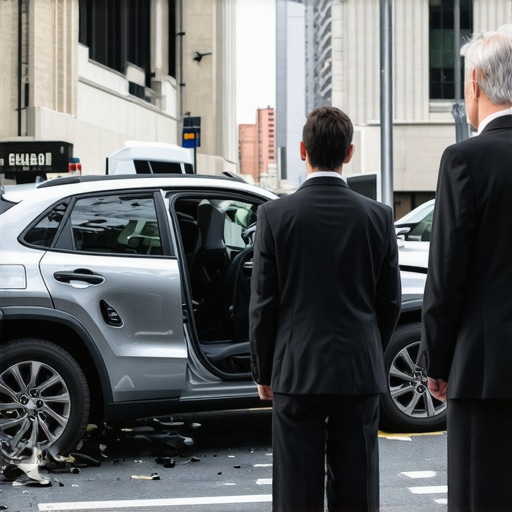
The Ghost in the Passenger Seat: Winning the Negligent Entrustment Case
I recently spent 14 hours deconstructing a contract that was designed to be unreadable, only to find the one clause that changed everything. Most lawyers miss the forest for the trees when a car wreck occurs. They look at the driver, see a low-limit insurance policy, and tell the client to settle for pennies. That is not legal strategy; that is a surrender. The real litigation power lies in the theory of negligent entrustment. It is the art of holding the person who handed over the keys just as responsible as the person who pressed the gas pedal. If the person behind the wheel has no assets, you look to the person who owned the machine. Your case is likely failing right now because your current counsel is too lazy to dig into the owner’s history or the specific statutory failures that allowed a dangerous driver onto the road. I smell the stale coffee of a long night spent over deposition transcripts, and I can tell you that the owner is often the one with the deep pockets and the higher insurance limits. You do not just sue the driver. You sue the judgment that allowed the driver to exist in your lane.
The phantom defendant behind the wreck
Negligent entrustment occurs when a vehicle owner allows an incompetent driver to operate their automobile, leading to personal injury or wrongful death. This legal doctrine creates a path to vicarious liability, ensuring that litigation targets the financial assets of the actual policyholder and their legal services provider.
To win this, you must prove the owner knew, or should have known, that the driver was a risk. This is not about being