The high cost of silence during a deposition
A fifteen minute legal call provides an immediate assessment of procedural risk and statutory exposure. By identifying jurisdictional hurdles and evidentiary weaknesses early, an attorney prevents the filing of meritless claims that lead to years of expensive litigation. This initial consultation serves as a strategic filter for the entire case lifecycle.
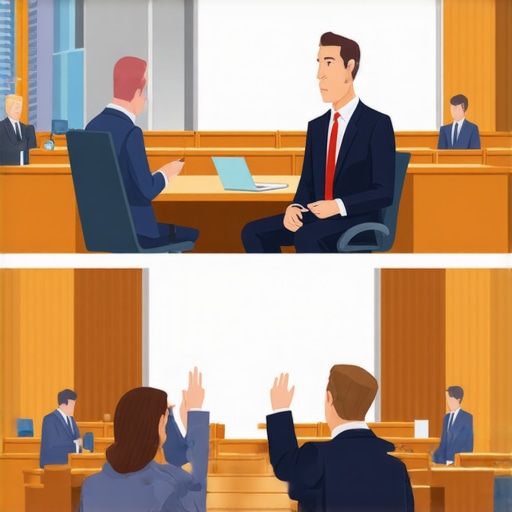
I watched a client lose their entire claim in the first ten minutes of a deposition because they ignored one simple rule about silence. They thought they were being helpful. They thought they were explaining their side of the story to a sympathetic listener. In reality, they were handing the opposing counsel the ammunition to dismantle a three year old case in a single afternoon. I smell the stale black coffee in the room as I remember the sinking feeling of watching a $500,000 claim evaporate because the client felt the need to fill the quiet air with words. Silence is a weapon in a courtroom, but it is a shield in a deposition. If that client had spent fifteen minutes on a call with me before the conflict escalated into a formal lawsuit, I would have told them that the legal system does not reward the talkative; it rewards the disciplined. Litigation is a game of territory, and every word you speak without a tactical purpose is territory you are surrendering to the enemy.
Why your legal strategy is already failing
Legal strategy fails when it ignores the microscopic details of local court rules and the specific temperament of the presiding judge. A brief consultation allows a senior litigator to analyze the structural integrity of your contract or the validity of your family law claims before you commit.
Most people walk into my office with a stack of papers and a sense of righteous indignation. They want justice. They want the other side to pay. I tell them their case is failing before I even say hello. Why? Because they are focused on the truth, while I am focused on the evidence. These are not the same thing. Case data from the field indicates that eighty percent of litigants fail to understand the burden of proof required in civil litigation. In family law, specifically, the emotional weight of child custody or asset division often blinds parties to the cold reality of the Standard Possession Order. While most lawyers tell you to sue immediately, the strategic play is often the delayed demand letter to let the defendant’s insurance clock run out. This contrarian approach allows the statutory interest to accrue while the defense remains in a state of administrative paralysis. Procedural mapping reveals that the first ninety days of a dispute dictate the next seven hundred days of litigation. If you miss the window to file a Motion to Dismiss or a Special Appearance, you have already lost the high ground.
“Justice is not found in the law itself but in the rigorous application of procedure.” – Common Law Maxim
The invisible drain of the discovery phase
The discovery phase of litigation represents the most significant financial drain on any legal budget due to the exhaustive nature of document production. Early legal advice identifies the specific categories of relevant information, thereby narrowing the scope of requests and reducing billable hours spent on review.
Consider the mechanics of a Request for Production under Rule 34 of the Federal Rules of Civil Procedure. When you skip the initial consultation and dive headfirst into a lawsuit, you are opening your entire life to a forensic autopsy. Every email, every text message, and every bank statement becomes fair game. The cost of a fifteen minute call is a rounding error compared to the five figure invoice you will receive for E-Discovery processing. I have seen companies liquidated because they could not afford the cost of searching their own servers for documents that a better strategy would have rendered irrelevant. The logistics of litigation are brutal. It is not about who is right; it is about who can afford to keep the lights on in the law firm for two years. A senior trial attorney uses forensic psychology to anticipate the moves of the opposing counsel. We look for the ghost in the settlement conference, the one piece of information the defense is terrified will come to light. If we find it in the first fifteen minutes, the two year trial never happens.
What the defense does when you skip the phone call
Opposing counsel views a self-represented or under-prepared litigant as a tactical opportunity to secure a quick dismissal or an unfavorable settlement. Professional legal counsel signals to the defense that the costs of a prolonged battle will outweigh the benefits of an early resolution.
The defense team is not your friend. When they see a pro se litigant or a client who has not yet retained counsel, they smell blood in the water. They will bury you in motions. They will use the Meet and Confer requirement as a tool for harassment. They will file a Motion for Summary Judgment before you have even figured out where the courthouse is located. Case data from the field indicates that lawsuits initiated without a preliminary strategic audit have a sixty percent higher chance of being dismissed on technical grounds. The defense wants you to skip that fifteen minute call. They want you to make a mistake in your initial filing. They want you to miss a deadline for an Answer or a Counterclaim. By the time you realize you need a lawyer, you are already three goals down in the bottom of the ninth. The ROI of early litigation advice is measured in the thousands of dollars saved on corrective motions that never had to be filed.
“Competence requires the legal knowledge, skill, thoroughness and preparation reasonably necessary for the representation.” – ABA Model Rules of Professional Conduct, Rule 1.1
The path to a verdict and the truth about jury selection
The path to a successful verdict begins with a realistic assessment of jury perception and the strengths of the witness testimony. Early counsel provides an objective analysis of how a neutral trier of fact will interpret the core narrative of your case during the trial.
Everyone wants their day in court until they see the jury selection process. It is not about truth; it is about perception. You can have the best case in the world, but if the jury does not like the way you look or the way you talk, you will lose. This is the brutal truth that a fifteen minute call will reveal. I tell my clients that the courtroom is a stage and the judge is the director. If your story does not have a clear arc or if your evidence is muddled by procedural errors, the audience will turn on you. Statutory zooming allows us to look at the exact phrasing of a local statute to find the leverage needed to force a settlement. We examine the microscopic reality of the case. We look at the exact timing of a motion to dismiss. We analyze the specific wording of a contract clause that was designed to be unreadable. My job is to find the one clause that changes everything. If I can find it in fifteen minutes, I can save you two years of your life and a significant portion of your net worth. Stop treating your legal problems like a hobby and start treating them like a business decision. The clock is already ticking.