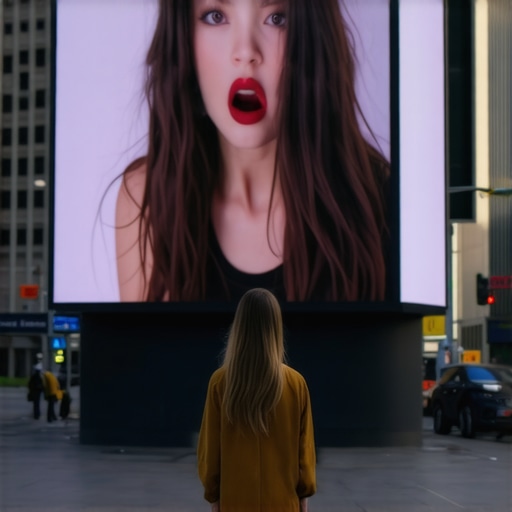
The smell of ozone and fresh mint fills my office. It is the scent of a trial attorney prepared for a confrontation. When a corporation decides to appropriate your face for their profit margins, they are not just making a mistake; they are committing a strategic trespass. My job is to ensure that trespass is expensive. Litigation is not a friendly conversation. It is a series of procedural maneuvers designed to extract the maximum value from a defendant who thought they could get away with theft. If you find your likeness on a billboard or a digital pop-up without a signed release, you are currently the owner of a significant legal claim.
I watched a client lose their entire claim in the first ten minutes of a deposition because they ignored one simple rule about silence. He wanted to be helpful. He wanted to explain his feelings. The defense attorney asked if he had ever shared the photo on social media. Instead of a simple yes, he rambled for five minutes about how much he liked the photo and how glad he was that people saw it. He talked himself right out of his statutory damages by admitting he did not value the exclusivity of his own image. This is why you hire a trial attorney who understands the psychology of the witness stand. The moment you see your photo being used for an advertisement without permission, the clock starts ticking on your litigation strategy.
Initial triage for unauthorized image use
Unauthorized image use requires immediate forensic preservation of digital evidence before the defendant can scrub servers. You must capture high-resolution screenshots, archive the source code of the advertisement, and document the timestamp. This chain of custody is the foundation of your litigation against the infringing party or advertising agency. Case data from the field indicates that the first seventy-two hours are the most significant for evidence collection. Procedural mapping reveals that many defendants will attempt to claim the image was used by a third-party contractor to avoid direct liability. You need the metadata. You need to know who uploaded the file, when it was uploaded, and what the original file path was. Do not send an angry email to the company. Do not comment on their post. Any interaction you have with the defendant before engaging an attorney can and will be used to mitigate your damages. I have seen countless cases ruined because a plaintiff sent a friendly direct message asking for the photo to be removed instead of sending a formal demand for payment. The law does not reward kindness; it rewards precision.
“Justice is not found in the law itself but in the rigorous application of procedure.” – Common Law Maxim
Differences between Copyright and Right of Publicity
Federal copyright law protects the creator of the photograph while state right of publicity laws protect the individual likeness of the person depicted. An attorney must analyze whether the claim falls under 17 U.S.C. § 101 or statutory torts involving commercial misappropriation and privacy violations. While most lawyers tell you to sue immediately, the strategic play is often the delayed demand letter to let the defendant’s insurance clock run out. This increases the pressure on their risk management team. If you took the photo yourself, you own the copyright. If someone else took the photo, they own the copyright, but you still own the rights to your face. This distinction is where many litigation strategies fail. We must determine if we are suing for the theft of the artistic work or the theft of the human persona. In the realm of family law, we often see these issues arise when one parent uses a child’s image for a commercial business without the consent of the other parent. This complicates the litigation but increases the leverage in a custody or settlement situation. The intersection of domestic relations and intellectual property is a battlefield where only the most aggressive strategists survive.
How to calculate Damages for Unauthorized Commercial Use
Calculating damages for unauthorized commercial use involves analyzing the defendant’s profits, the market value of a licensing fee, and potential statutory penalties. A litigation attorney will subpoena ad spend records to quantify the reach and revenue generated by the infringing advertisement or promotional campaign. The goal is to prove that the defendant’s success was directly tied to the use of your likeness. We look for the bleed. We look for the exact moment the ad went live and correlate it with their sales spikes. This requires a forensic accountant who can tear through a balance sheet and find the hidden ROI of a specific marketing asset. If the defendant is a major corporation, their profit from a single ad could be in the millions. We do not just want the licensing fee they should have paid; we want a portion of the profits they made using your face. This is the difference between a settlement mill and a trial firm. We are not looking for a quick check. We are looking for a verdict that makes the defendant regret ever looking at your portfolio.
Discovery protocols for tracking unauthorized ad revenue
Discovery protocols in likeness litigation require Requests for Production of internal marketing communications and detailed analytics reports. An attorney uses Rule 30(b)(6) depositions to interrogate corporate representatives regarding their digital marketing spend and the decision-making process behind the unauthorized use of the plaintiff’s photo. I once spent fourteen hours deconstructing a contract that was designed to be unreadable, only to find the one clause that changed everything. That clause proved the company knew they did not have the rights to the image but decided to run the ad anyway because the projected fine was lower than the cost of a professional shoot. That is called willful infringement. When we prove willfulness, the statutory damages can skyrocket. We use the discovery process to corner the defendant into admitting they valued profit over the law. We examine the email threads between the creative director and the social media manager. We find the moment where someone asked if they had the rights, and someone else said to just run it and see what happens. That moment is where the settlement value doubles. We do not just ask for documents; we hunt for the smoking gun in the digital paper trail.
“Intellectual property is the modern currency of the courtroom where evidence dictates the exchange rate.” – American Bar Association Litigation Journal
Why the Demand Letter is a Strategic Weapon
Strategic demand letters serve as a procedural anchor that establishes notice and triggers insurance coverage for the defendant. A litigation attorney drafts these documents to outline the legal theories of conversion, misappropriation, and unjust enrichment while setting a deadline for settlement negotiations or litigation commencement. Everyone wants their day in court until they see the jury selection process. It isn’t about truth; it’s about perception. The demand letter is the first step in shaping that perception. It tells the defendant that we are prepared for a war of attrition. We include a draft of the complaint. We show them the evidence we have already gathered. We let them know that the cost of defending the lawsuit will likely exceed the cost of a fair settlement. But we never bluff. If they do not meet the demand, we file the suit within the hour. The silence following a well-drafted demand letter is a weapon. It forces the corporate counsel to explain to the board why they are being sued for a six-figure sum because they wanted to save a few hundred dollars on a stock photo.
Procedural traps in Likeness Litigation
Procedural traps such as the statute of limitations and jurisdictional challenges can derail a likeness claim if not managed by an attorney. Litigation strategy must address the single publication rule and forum selection clauses that might impact the recovery of attorney fees or punitive damages in commercial image theft. You might think you can sue in your home state, but the fine print of the platform where the ad was hosted might force you into arbitration in another country. This is where the skeletal remains of many lawsuits are found. We map the digital path of the advertisement to find the most favorable jurisdiction. We look for states with strong right of publicity statutes like California or New York. We avoid jurisdictions that favor corporate defendants. Every motion to dismiss is an opportunity to refine our narrative. Every objection to a discovery request is a sign that we are getting closer to the truth. We do not fear the complexity of the law. We use it as a shield and a sword. The final verdict is not just about the money. It is about the principle that your identity is not public property. It is your asset. Protect it with the ferocity it deserves. The courtroom is a territory, and we intend to hold the ground.
[ { “@context”: “https://schema.org”, “@type”: “Article”, “headline”: “What to do if someone uses your photo for an ad without permission”, “author”: { “@type”: “Person”, “name”: “Senior Trial Attorney” }, “description”: “A comprehensive guide to legal remedies for unauthorized likeness use in advertising, focusing on litigation strategy and damages.” } ]