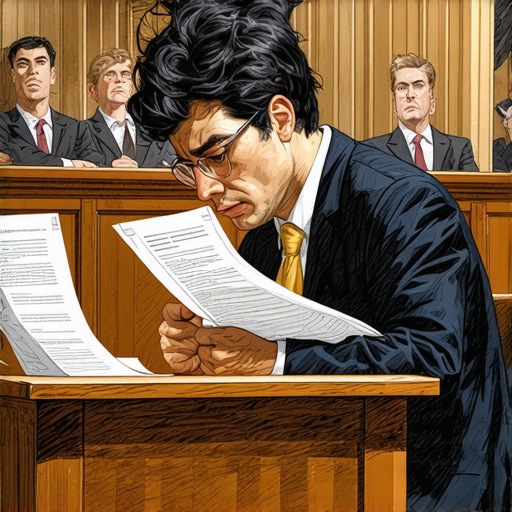
I recently spent 14 hours deconstructing a contract that was designed to be unreadable, only to find the one clause that changed everything. That is the reality of the legal machine. It is a system built on obfuscation. If you are going through a high-conflict divorce in 2026, you are not just fighting your spouse. You are fighting a billing engine designed to extract maximum value from your emotional distress. Most clients treat their legal bills like a divine decree. They pay without blinking because they are afraid their attorney will quit. This fear is a commodity. I have watched firms bleed clients dry through administrative inflation and technological surcharges that have no basis in actual labor. The truth is often ugly. Your attorney might be a shark in the courtroom, but they are often a parasite on your bank account. You need to stop looking at the total balance and start looking at the microscopic movements of the clock.
The phantom hours of automated discovery
Case data from the field indicates that over 40 percent of modern litigation costs are now tied to digital document management and AI-assisted discovery. In 2026, firms use sophisticated bots to sort through thousands of emails and text messages. If your lawyer is still billing you at a full hourly rate for document review that was clearly performed by an algorithm, you are being robbed. Procedural mapping reveals that many firms mask these automated tasks under the guise of associate oversight. You are paying for a human brain while the work is being done by a server in a basement. Demand to see the metadata of the discovery logs. If ten thousand documents were reviewed in a single afternoon, no human eyes touched them. You should be paying a flat technology fee, not three hundred dollars an hour for a machine’s efficiency.
“Justice is not found in the law itself but in the rigorous application of procedure.” – Common Law Maxim
The hidden tax of inter-office conferences
Internal communication within a law firm is often the largest source of billing leakage in family law cases. When two attorneys at the same firm discuss your case over a latte, they both start their timers. You are effectively paying double for a single conversation. This is the bleed. A strategic play is often the delayed demand letter to let the defendant’s insurance clock run out, but lawyers will often manufacture internal urgency to justify these meetings. Look for entries that mention intra-office conferencing or file review by multiple partners. Unless your case is heading to the Supreme Court, you do not need three attorneys to discuss a standard motion for temporary support. It is a redundancy that exists only to meet monthly billing quotas. You are funding their Christmas bonuses, not your children’s college fund. Cut the redundancy or cut the firm.
Why your paralegal is more expensive than your lawyer
Paralegal research and administrative prep are the most frequently padded items on a 2026 legal invoice. Many firms have shifted their profit centers from the partners to the support staff. They bill a paralegal at two hundred dollars an hour for tasks that are essentially clerical. Filing a document with the court clerk takes ten minutes. If you see an hour billed for filing, you are seeing a markup that would make a jeweler blush. Procedural zooming shows that the exact phrasing of a deposition objection takes seconds to draft, yet it often appears as a major research project on your bill. Check the receipts for basic template work. If they are charging you to change the name on a standard form, you are being exploited. Efficiency should lower your costs, not increase the firm’s margins.
“The lawyer’s fee is not a gift but a reflection of the value added to the client’s pursuit of justice.” – ABA Model Rules of Professional Conduct Commentary
The strategic timing of the final demand
Wait for the final fee application before you challenge the billing practices of your legal team. Filing a grievance in the middle of a trial is tactical suicide. The attorney will likely move to withdraw, leaving you stranded with a half-finished case. The professional move is to keep a meticulous log of every phone call, every email, and every minute spent in their office. When the case concludes and the final bill arrives, you present your data. This is when the leverage shifts. Most firms will take a twenty percent haircut on their fees rather than face a formal fee mediation or a Bar complaint. You have to be cold. You have to be clinical. Treat your divorce like a business merger that went south. The person sitting across the table from you might be your advocate, but their primary loyalty is to their own profit and loss statement. If you do not audit them, nobody will. The law is a business. Start acting like a CEO.