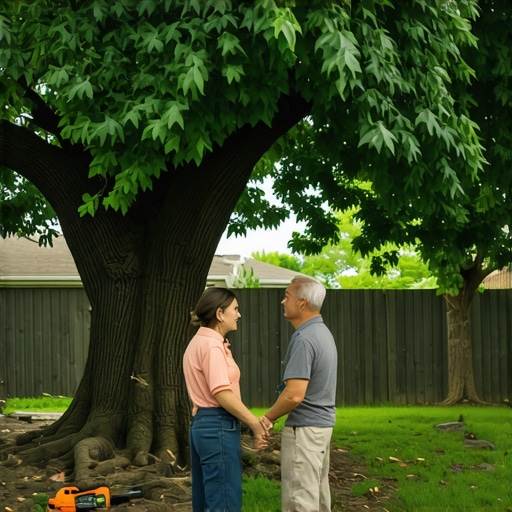
How to force a neighbor to trim a dangerous tree on their property
I watched a client lose their entire claim in the first ten minutes of a deposition because they ignored one simple rule about silence. They felt the need to fill the void, admitting they had helped prune the neighbor’s tree three years prior. That one admission shifted the liability from the neighbor to the client, turning a clear case of negligence into a mess of contributory negligence. Tree law is not about being nice. It is about the cold application of property rights and the strategic use of litigation to protect your assets. If you are staring at a decaying oak leaning over your roof, you are not looking at nature. You are looking at a potential lawsuit that requires a clinical, aggressive approach. I have spent twenty-five years in the trenches of property litigation, and the reality is that neighbors rarely act until the cost of inaction exceeds the cost of a chainsaw. This guide outlines the brutal mechanics of forcing a neighbor to manage their hazardous vegetation before it destroys your property value or your home’s structural integrity.
The myth of the friendly neighbor conversation
Force a neighbor to trim a dangerous tree by identifying specific property damage risks, issuing a formal demand letter drafted by an attorney, and filing for an injunction if the hazard poses an immediate threat to your structure or safety. Relying on casual conversations is the primary reason litigation becomes more expensive than it needs to be. Case data from the field indicates that verbal agreements have zero standing in a property tort when the limb finally snaps. You must treat your neighbor as an adverse party from the moment the risk is identified. The goal is to create a paper trail that is impossible for their insurance carrier to ignore. Procedural mapping reveals that a certified letter, return receipt requested, is the only way to establish that the neighbor was on notice of the defect. Without notice, you are fighting an uphill battle against the act of god defense. The legal threshold for negligence in most jurisdictions requires the owner to have known, or should have known, about the tree’s dangerous condition. Your job is to make it impossible for them to claim ignorance in a courtroom. Forget the fence-side chat. You need a record that can be admitted as evidence during a summary judgment motion.
“Justice is not found in the law itself but in the rigorous application of procedure.” – Common Law Maxim
Why your insurance company won’t save you
Insurance companies generally only cover actual damages after an event occurs, meaning they rarely intervene to prevent a tree from falling, leaving the litigation burden entirely on the property owner to seek a court order for maintenance. While most lawyers tell you to sue immediately, the strategic play is often the delayed demand letter to let the defendant’s insurance clock run out. This forces the neighbor to realize that if the tree falls after they have been warned, their insurance company might deny the claim based on a failure to maintain the property. This creates a leverage point. You are not just asking them to trim a tree. You are threatening their financial relationship with their carrier. Most homeowners do not understand that their policy is a contract for indemnity, not a maintenance service. If you provide them with a certified arborist report proving the tree is a hazard, and they do nothing, they have breached their duty of care. This is the moment the litigation architect strikes. You aren’t just complaining about a branch. You are documenting a breach of duty that will lead to a verdict. The insurance company will only care when they see that their policyholder is intentionally ignoring a documented risk, which could potentially expose the carrier to bad faith claims if they advise the neighbor to ignore your demands. You want the neighbor’s lawyer to tell them that trimming the tree is cheaper than losing their coverage.
The evidence that wins a property tort
Evidence in tree litigation requires arborist reports, certified mail receipts, and photographic documentation showing the tree is dead, diseased, or hazardous, which creates a legal duty for the neighbor to act or face negligence claims. You cannot win a case by saying the tree looks scary. You need a forensic analysis of the root structure and the canopy. Hire a Board Certified Master Arborist. Their report is your primary weapon. It must detail the specific decay, the lean of the trunk, and the probability of failure. I tell my clients that if their evidence does not include a high-resolution photo of fungal growth at the base of the trunk, they do not have a case yet. We look for V-shaped crotches in the limbs, which are structurally weaker than U-shaped ones. We look for signs of carpenter ant infestation or bark shedding. This is the microscopic reality of the case. When you get to the discovery phase, this report is what stops a motion to dismiss. The defense will try to claim that the tree was healthy and that a freak storm caused the fall. Your arborist report, dated six months prior to the event, destroys that narrative. It proves that the neighbor had a duty to mitigate a known risk. Litigation is about narrowing the possible excuses for the defendant until they are forced to settle or face a jury that sees them as a negligent actor.
“The right to exclude others from one’s property is one of the most essential sticks in the bundle of rights that are commonly characterized as property.” – Kaiser Aetna v. United States
When local statutes override common law
Local ordinances often define encroachment and nuisance specifically, allowing for abatement actions where a homeowner can hire a legal professional to enforce municipal codes that mandate the removal of unstable vegetation. Many people cite the Massachusetts Rule, which allows you to trim roots or branches that overgrow your property line. However, if your trimming kills the tree, you could be liable for treble damages under timber trespass statutes. This is where the tactical precision of a trial attorney is required. You must check the municipal code of your specific city. Some cities have urban forestry departments that can issue citations directly to your neighbor. This is a powerful flank attack. If the city inspector finds the tree to be a public nuisance, the neighbor faces fines every day they refuse to trim it. This bypasses the need for a private lawsuit in the initial stages. While the average attorney will suggest a standard nuisance suit, the strategic professional looks for a code violation that carries mandatory attorney fees. This shifts the cost of the litigation to the neighbor. Always check for local protection of specific species. In some areas, heritage oaks cannot be touched without a permit, even if they are dying. Navigating these overlapping layers of authority is what separates a settlement mill from a litigation architect.
The tactical timing of a motion for preliminary injunction
A preliminary injunction is the fastest way to stop a dangerous tree threat, requiring a showing of irreparable harm and a likelihood of success on the merits, effectively forcing the neighbor into immediate compliance before trial. If the tree is literally cracking during a windstorm, you do not wait for a trial date three years from now. You file an Order to Show Cause and seek a temporary restraining order or a preliminary injunction. This requires you to prove that the harm is imminent and that money damages will not be enough to fix it. A destroyed home is the definition of irreparable harm. When we walk into a judge’s chambers with photos of a split trunk and a weather forecast showing an incoming gale, we are applying procedural leverage that forces the neighbor’s hand in forty-eight hours. The defense will argue that the injunction is too broad or that it interferes with their property rights. We counter with the fact that their property right does not include the right to maintain a nuisance that threatens the lives of those next door. This is high-stakes chess. If the judge grants the injunction, the neighbor is legally compelled to hire a crew. If they fail to do so, they are in contempt of court. This is the most aggressive tool in the litigation arsenal. It is expensive, it is fast, and it is usually effective because it removes the neighbor’s ability to procrastinate. The brutal truth is that most neighbors will fold once they see a judge’s signature on an order that mandates they spend five thousand dollars on a tree service or face jail time.
The discovery phase of a tree nuisance suit
Discovery in property litigation involves the exchange of maintenance records, prior complaints, and expert witness depositions to establish a history of negligent property management by the defendant. This is where we find the smoking gun. We demand all communications the neighbor has had with any tree service in the last decade. Often, we find that a tree service previously warned the neighbor that the tree needed to be removed, but the neighbor declined the service to save money. That piece of paper is a verdict in a folder. We depose the neighbor and ask them specifically about their knowledge of the tree’s health. This is where the persona of the trial attorney comes into play. We use silence. We let the neighbor talk themselves into a corner. They might try to say they didn’t know the tree was dead. Then we produce a photo of them standing next to the tree while it is clearly leafless in the middle of July. The litigation architect uses these moments to build a narrative of reckless indifference. The goal is to make the neighbor’s position so untenable that their attorney advises an immediate settlement. We don’t just want the tree trimmed. We want our client’s legal fees covered and a permanent easement for future maintenance if necessary. This is not about being a good neighbor. It is about the absolute protection of your territory and the forensic dismantling of the defendant’s excuses. If you are not prepared for this level of conflict, you have already lost. Tree litigation is a war of attrition, and the one with the better documentation and a more aggressive procedural strategy will always win.”