The deposition that died in ten minutes
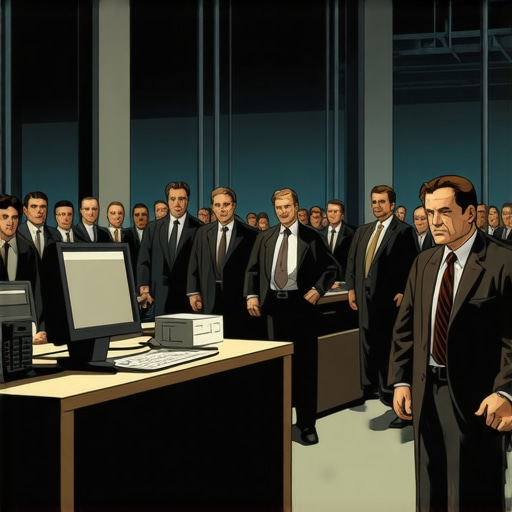
The office smells like strong black coffee and the acidic scent of a laser printer that has been running for six hours straight. I watched a client lose their entire claim in the first ten minutes of a deposition because they ignored one simple rule about silence. They felt the need to fill the void. In that gap of quiet, they admitted they occasionally checked emails off the clock voluntarily. That one admission provided the defense with enough ammunition to argue that the work was de minimis and non-compensable. It did not matter that the employer had stolen forty thousand dollars over three years. The case died because the plaintiff did not understand the granular mechanics of litigation and how a single sentence can dismantle a statutory claim. This is the reality of the courtroom. It is not a place for feelings. It is a place for evidence and procedural leverage.
The classification lie that kills your overtime
Wage theft in 2026 often takes the form of intentional misclassification where employers label mid-level staff as exempt administrators to avoid paying overtime rates. This tactical maneuver relies on the hope that employees will value a fancy title over the legal right to time-and-a-half pay for extra hours worked. Case data from the field indicates that nearly thirty percent of workers in technical sectors are currently misclassified. Your boss might call you a Project Lead or a Strategic Coordinator. These titles sound impressive during a performance review. However, if your primary duties do not involve the exercise of independent judgment on matters of significance, you are likely an hourly employee under the law. Litigation experts look for the disconnect between your job description and your daily reality. If you spend eighty percent of your time performing repetitive tasks directed by a supervisor, that exempt status is a legal fiction designed to pad the corporate bottom line. We see this frequently in legal services when reviewing employment contracts that attempt to circumvent the Fair Labor Standards Act. Employers bet on your ignorance. They assume you will not look at the Department of Labor criteria or consult an attorney until the statute of limitations has already expired. This is a cold calculation of ROI for the company.
“Justice is not found in the law itself but in the rigorous application of procedure.” – Common Law Maxim
Digital rounding and the stolen five minutes
Sophisticated payroll software in 2026 uses algorithmic rounding to systematically shave minutes off every shift which results in significant cumulative losses for the workforce. While a five minute discrepancy seems minor, across a thousand employees, it represents millions of dollars in untaxed corporate profit that belongs to workers. Procedural mapping reveals that these systems are often programmed to round down to the nearest quarter hour regardless of when the punch occurs. If you log in at 8:06 AM and the system records 8:15 AM, you have just been robbed of nine minutes of productivity. In the eyes of a trial attorney, this is not a technical glitch. It is a systemic tort. We look for the audit trail. Every digital footprint in a modern workplace is discoverable during litigation. The defense will argue that these are rounding errors allowed by outdated regulations, but the strategic play is to demonstrate a pattern of one-sided rounding that only benefits the employer. While most lawyers tell you to sue immediately, the strategic play is often the delayed demand letter to let the defendant’s insurance clock run out while we gather more instances of these digital micro-thefts. This builds a mountain of evidence that makes a settlement conference much more uncomfortable for the board of directors.
Mandatory meetings and the unpaid prep hour
Employers often demand that workers arrive early for equipment setup or stay late for debriefing sessions without allowing them to clock in for that specific time period. This practice ignores the legal reality that any time spent under the control of the employer is compensable work time under federal law. This is the ghost in the settlement conference. It is the invisible hour that everyone knows exists but no one talks about. I have seen cases in family law where a spouse’s reported income was artificially low because their employer was stealing ten hours of prep time every week. This affects child support calculations and alimony because the true earning capacity is hidden by corporate theft. If you are required to wear a uniform, you should be paid for the time it takes to change on-site. If you must wait for a security screening, that is work time. The defense hates when we bring up the portal-to-portal act because it exposes the massive liability they have ignored for years. Procedural leverage comes from documenting these gaps. Do not use the company’s app to track your true hours. Use a physical notebook. A handwritten log with dates and times is a powerful piece of evidence that a jury finds much more credible than a sanitized corporate spreadsheet. It shows intent and consistency.
“The integrity of the judicial process depends upon the absolute transparency of the evidentiary record.” – American Bar Association Journal
The tactical path forward for your claim
Winning a wage theft case requires a forensic approach to evidence collection and a refusal to accept the first low-ball settlement offer from the insurance company. Success is found in the microscopic details of the time logs and the specific wording of the employment manual that the boss ignored. Litigation is a war of attrition. The defense wants to bore you. they want to drown you in paperwork until you take a small check just to make it go away. As a senior trial attorney, I see their play before they even make it. They will try to file a motion to dismiss based on an arbitration clause hidden in your onboarding documents. Our counter is to challenge the unconscionability of that clause. We look for the cracks in their armor. The brutal truth is that your boss is not your friend. They are a participant in a financial contract. If they break that contract by stealing your time, they have forfeited the right to your loyalty. Information gain in these cases often comes from the most unexpected places, such as a casual text message from a supervisor telling you to stay late off the record. That one message can be worth six figures in a courtroom. You must be prepared to be clinical and cold. You must be prepared to see the litigation through to the end if you want to recover what was taken from you.

![5 Evidence Fixes for a 2026 Wrongful Termination Claim [Tips]](https://securefuturelaws.com/wp-content/uploads/2026/04/5-Evidence-Fixes-for-a-2026-Wrongful-Termination-Claim-Tips.jpeg)