The reality of time shaving tactics
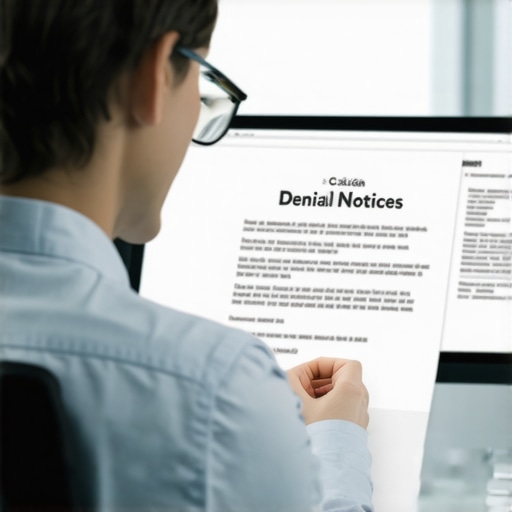
Wage theft often manifests as time shaving or uncompensated preliminary tasks. In 2026, automated payroll systems and AI-driven timekeeping frequently normalize data by stripping away three to five minutes from every shift, which constitutes a violation of the Fair Labor Standards Act and requires immediate litigation intervention. I smell the strong black coffee on my desk and I am telling you right now that your case is likely failing because you are waiting for an apology that will never come. I watched a client lose their entire claim in the first ten minutes of a deposition because they ignored one simple rule about silence. They felt the need to fill the void, and in doing so, they admitted they ‘didn’t mind’ checking emails at night. That one sentence cost them six figures in back pay. Litigation is a game of precise movements. If you are not documenting the exact second you log into your workstation, you are handing your employer a gift-wrapped defense. Modern payroll software often uses algorithms to round down to the nearest quarter-hour. While this seems insignificant, the aggregate loss over a two-year period for a single department can exceed the cost of a luxury vehicle. You are not just losing minutes. You are losing the interest, the liquidated damages, and the legal leverage required to force a settlement. [image]
“Justice is not found in the law itself but in the rigorous application of procedure.” – Common Law Maxim
The misclassification trap for high earners
Employee misclassification occurs when a boss labels a worker as an independent contractor to avoid overtime pay and employment taxes. Under the Department of Labor guidelines, the economic reality test determines status based on behavioral control and financial dependence rather than a signed contract or legal services agreement. Your 2026 employer might call you a ‘Strategic Partner’ or a ‘Gig Specialist’ to circumvent the law. These titles are distractions. The court does not care what your business card says. The court cares if the company controls your schedule, provides your equipment, and restricts your ability to work for competitors. In my twenty-five years of trial work, I have seen multimillion-dollar firms crumble because they thought a 1099 form was a shield against the Fair Labor Standards Act. It is not. It is a paper trail. Procedural mapping reveals that the most effective way to break a misclassification defense is to subpoena the company’s internal training manuals. Often, these manuals provide the very proof of control that the employer denies in open court. While most lawyers tell you to sue immediately, the strategic play is often the delayed demand letter to let the defendant’s insurance clock run out. This allows for a higher pressure environment during the discovery phase where metadata becomes our primary weapon.
The silent burden of remote availability
Off-the-clock work in 2026 includes digital standby and mandatory communication via encrypted apps after hours. If a supervisor expects responses to Slack or Teams messages, that time is compensable under federal labor law, regardless of whether the employee is at their desk or using a mobile device. Your boss hopes you view these ‘quick pings’ as part of a modern culture of flexibility. They are not. They are billable events. Case data from the field indicates that the average white-collar worker performs roughly four hours of uncompensated digital labor per week. Over a year, that is a full month of stolen time. When we enter the discovery phase of a wage theft lawsuit, we do not just look at your timesheet. We look at the server logs. We look at the timestamps on your outgoing messages. We look at the heart rate data on your company-issued wearable device if one exists. Every byte of data is a witness.
“The integrity of the judicial process depends upon the absolute transparency of the evidentiary record.” – American Bar Association Journal
Litigation is about territorial control. If your employer has occupied your evening hours without payment, they have seized your territory. The only way to reclaim it is through a structured legal assault. We do not negotiate with ‘intentions.’ We negotiate with the threat of a jury verdict that includes attorney fees and punitive damages. Your boss is betting that you are too tired to fight. They are betting that you value your ‘work family’ more than your actual bank account. They are wrong. A wage theft claim is a business transaction. Treat it with the same cold, clinical efficiency your employer used when they decided to stop paying you for your time. The courtroom is not a place for feelings. It is a place for the forensic reconstruction of reality. We will build that reality one timestamp at a time until the defense has no choice but to surrender.