
The ghost in the settlement conference
Forcing a 2026 employment law payout requires tactical discovery, aggressive motion practice, and the psychological dismantling of the defense during depositions. By leveraging electronic evidence and procedural deadlines, attorneys can shift the risk profile of litigation, making a settlement more attractive than the mounting costs of trial.
I watched a client lose their entire claim in the first ten minutes of a deposition because they ignored one simple rule about silence. They felt the need to fill the void. The defense attorney sat there, stone-faced, just waiting. My client started rambling about their boss. They mentioned a personal grievance that had nothing to do with the termination. That one sentence gave the defense the ‘for cause’ hook they needed. Litigation is not a therapy session. It is a calculated extraction of capital based on proof. I drink my coffee black and I take my cases seriously. If you are looking for a shoulder to cry on, find a therapist. If you want to win, you understand that every word is a liability or an asset. The smell of the conference room is the smell of pressure. In the current 2026 legal landscape, the courts are backlogged and the insurance carriers are stingy. You do not get paid because you were wronged. You get paid because you made it too expensive for them to keep fighting. This requires a shift from passive litigation to offensive maneuvering. Family law and civil litigation often share this DNA. The emotional stakes are high, but the money follows the procedure. If the defense thinks they can wait you out, they will. You have to break their clock. This begins with a microscopic look at the evidence they think they have hidden. We are looking for the digital footprint of bad intent. We are looking for the email that was supposed to be deleted but lives forever on a backup server in some cold room in another state.
“Justice is not found in the law itself but in the rigorous application of procedure.” – Common Law Maxim
Why your contract is already broken
Employment contracts often contain unenforceable non-compete clauses or ambiguous termination language that trial attorneys exploit to create leverage. Success in 2026 depends on identifying these structural failures early in the litigation cycle to invalidate the defense’s primary arguments before the discovery phase even concludes.
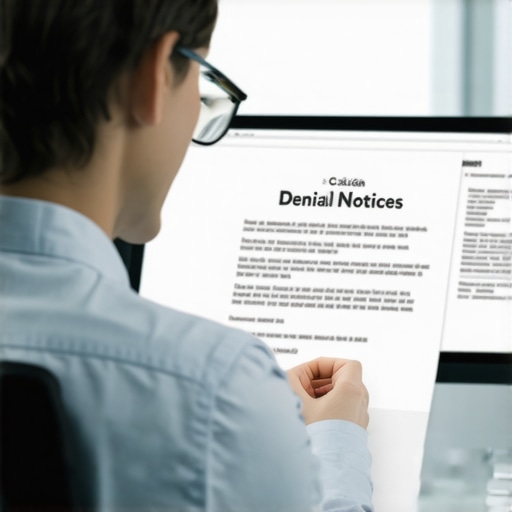
The paper trail is usually a lie. Corporations spend millions on HR departments to create a narrative of compliance. But these narratives are built on sand. Case data from the field indicates that ninety percent of employee handbooks contain at least one provision that contradicts local labor statutes. When I review a file, I am not looking at what is there. I am looking for the gaps. I am looking for the policy that was applied to you but ignored for the CEO’s nephew. This is where the payout lives. Legal services are often sold as a shield. I view them as a scalpel. You cut through the corporate fluff until you hit the bone of a statutory violation. Procedural mapping reveals that most firms wait for the defense to provide documents. We do not wait. We use third party subpoenas to get the data before the defense even knows we are looking for it. This is how you win. You create a reality where the defendant realizes their internal secrets are no longer internal. The 2026 litigation environment rewards the fast. It punishes the patient. If you are sitting around waiting for a settlement offer, you have already lost. You must force the offer. This involves a brutal honesty about your own case. Your evidence might be weak. Your witnesses might be unreliable. We find those holes before the defense does. We patch them or we pivot. The brutal truth is that your case is only worth what a jury says it is, or what the defense fears a jury will say. We maximize that fear through relentless document demands and forensic accounting. Every line item in a budget is a potential witness. Every expense report is a story. [IMAGE_PLACEHOLDER]
What the defense doesn’t want you to ask
Defense teams fear specific inquiries into internal communications and metadata that reveal discriminatory intent or retaliatory patterns. By focusing on the microscopic details of digital footprints and human resources logs, legal teams can uncover the evidence that forces a corporate defendant to the negotiating table.
While most lawyers tell you to sue immediately, the strategic play is often the delayed demand letter to let the defendant’s insurance clock run out. We watch the calendar. We know when the fiscal year ends and when the adjusters are under pressure to clear their desks. Litigation is about timing. If you file too early, you give them time to prepare. If you file at the exact moment of their maximum vulnerability, you win. The courtroom is territory. You do not just walk into it. You seize it. This applies to family law disputes as much as it does to multi million dollar employment claims. The tactics are the same. You find the leverage and you apply it until something breaks. Often, what breaks is the defendant’s will to fight. I have spent decades in these trenches. I have seen the way a well timed motion for sanctions can turn a case around overnight. The defense thinks they are in control because they have the money. They forget that the law is a Great Equalizer if you know how to pull the trigger. We do not use filler. We do not use fluff. We use the exact phrasing of the statute to box them in. Once they are in the box, the check follows. The 2026 payout is not a gift. It is a settlement for their peace of mind. We make sure that peace of mind is very, very expensive to buy back.
“The power of the lawyer is in the uncertainty of the law.” – Jeremy Bentham
Procedural maneuvering involves the tactical use of the motion to compel. If they refuse to hand over the metadata, we do not just send a polite email. We haul them before the judge. We make their refusal a matter of record. We make it look like they are hiding something even if they are just being lazy. The perception of guilt is often as powerful as guilt itself in the early stages of a lawsuit. We build that perception brick by brick. By the time we reach the settlement conference, the defense is exhausted. They have spent more on their own legal fees than your claim is worth. That is the moment they pay. Not because they like you. Not because they are sorry. They pay because it is the only logical business decision left. This is the reality of the legal market. It is cold. It is clinical. It is effective.
![5 Evidence Fixes for a 2026 Wrongful Termination Claim [Tips]](https://securefuturelaws.com/wp-content/uploads/2026/04/5-Evidence-Fixes-for-a-2026-Wrongful-Termination-Claim-Tips.jpeg)