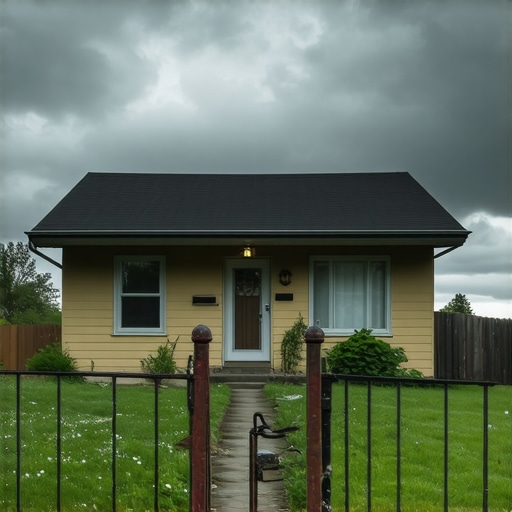
The air in a courtroom before a probate hearing smells like ozone and mint. It is the scent of nervous energy meeting clinical precision. I have spent twenty-five years watching families tear themselves apart over real estate, and the biggest mistake is almost always the same. Someone refuses to leave the house. They think the walls provide safety. They think possession is a shield. It is actually a target. Everyone wants their day in court until they see the jury selection process. It isn’t about truth; it’s about perception. When you sit in a disputed house, the jury does not see a grieving heir. They see a squatter who is bleeding the estate dry. This perception is the first step toward a total loss of leverage.
The verdict reality in the family kitchen
Probate litigation involving a primary residence requires an immediate assessment of occupancy risks and estate liability. Staying in the home creates a fiduciary conflict that often leads to ouster claims and fair market rent offsets. Case data from the field indicates that heirs who remain in the property during a dispute are 40 percent more likely to face aggressive motions for partition or interlocutory orders for sale. I watched a client lose their entire claim in the first ten minutes of a deposition because they ignored one simple rule about silence. They tried to justify why they were living in a four bedroom house alone while the estate paid the property taxes. The opposing counsel did not even have to argue. They just let the client talk until the entitlement sounded like theft. The jury does not care about your childhood bedroom. They care about the math of the residuary estate.
“Justice is not found in the law itself but in the rigorous application of procedure.” – Common Law Maxim
Why possession is not nine tenths of the law
Physical possession of estate property does not grant legal title or the right to exclusive occupancy without a court order. In contested probate, the executor or administrator has a fiduciary duty to make the property productive, which typically means selling it or renting it at fair market value. Procedural mapping reveals that judges have little patience for heirs who block the liquidation of assets. While most lawyers tell you to sue immediately, the strategic play is often the delayed demand letter to let the defendant’s insurance clock run out, but this does not apply if you are the one sitting in the house. You are creating a daily ledger of debt against your own inheritance. Every day you stay is a day of imputed rent that will be deducted from your final distribution. It is a slow motion bank robbery where you are both the victim and the thief.
The hidden meter on the wall
Staying in a disputed home triggers insurance vacancies and liability shifts that can bankrupt an individual heir. Most homeowners insurance policies contain clauses that void coverage if the property is not occupied by the policyholder or if the legal ownership is in flux for more than sixty days. If a pipe bursts or a fire occurs while you are “protecting” the house during a will contest, the carrier may deny the claim. You are then personally liable for the waste of estate assets. This is the microscopic reality of probate litigation. It is not just about who gets the house. It is about who is responsible for the carrying costs, the utilization fees, and the capital gains tax implications of a delayed sale. The court sees your presence as a litigation bottleneck. They will use the power of contempt to move you if the personal representative files a petition for possession.
When the locks change at midnight
Self-help evictions are illegal, yet probate disputes often tempt executors to take extrajudicial actions to secure the premises. If you are staying in the home, you are inviting a legal skirmish over wrongful detainer. The tactical timing of a motion to dismiss your right to occupy can happen faster than most heirs realize. I have seen orders to vacate served at 4 PM on a Friday, leaving the occupant with no procedural recourse until Monday morning. This is the forensic psychology of the law. The goal of the opposing side is to create environmental instability. By remaining in the house, you give them the coordinates for their attack. You are tethered to a single point of failure. A strategic retreat to a neutral apartment is often the only way to preserve your litigation budget for the actual trial on the merits.
“The attorney’s duty is to the estate, yet the occupant’s interest is often adverse to the timely distribution of assets.” – ABA Journal on Estate Litigation
How your morning coffee becomes evidence
Daily activities in a contested home are discoverable facts that can be used to prove waste or conversion of estate property. If you use the silver, you are converting assets. If you use the lawnmower, you are depreciating estate equipment. In a deposition, a skilled litigator will ask you to account for every item in that house. They will turn your grief-driven stay into a theft-driven narrative. This is why litigation strategy often dictates vacating the premises. It removes the evidentiary noise. It allows the case to be about the validity of the will or the breach of fiduciary duty, rather than whether or not you scratched the hardwood floors moving a sofa. The ROI of litigation drops every time your personal life becomes a line item in a forensic accounting. You want the judge focused on the testamentary capacity of the deceased, not your utility bills.
The ghost in the settlement conference
Settlement negotiations fail when one party is emotionally anchored to the physical property at the center of the dispute. A messy probate is a war of attrition. When you live in the house, you are less likely to accept a fair market settlement because you are valuing the emotional utility of the walls. The skeptical investor view is the correct one. The house is a volatile asset with high carrying costs. By moving out, you signal to the other side that you are ready to liquidate and sue for the maximum dollar amount. It changes the power dynamic from one of defense to one of offense. You stop being the problematic occupant and start being the aggrieved beneficiary. That shift in persona is often worth more than the equity in the home itself. You must treat the probate process like a divestment strategy, not a housing solution. The courtroom is territory, and you cannot win the macro war if you are trapped in a micro siege within your own living room.