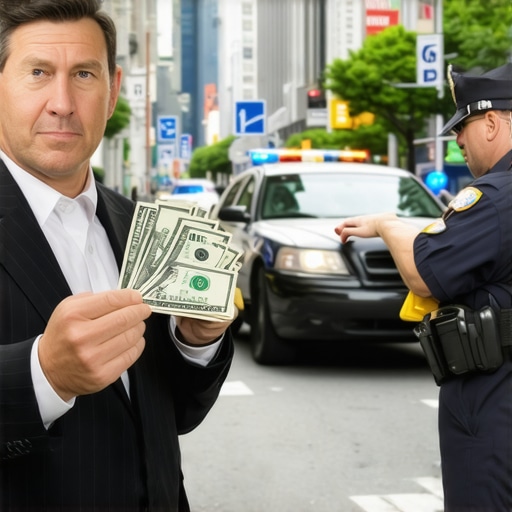
The office smells like strong black coffee and old paper. I do not offer my hand to shake because I am already looking at your file and the news is not good. You chose a lawyer based on a billboard or a low-cost consultation fee and now you are wondering why the prosecutor is refusing to budge. I watched a client lose their entire claim in the first ten minutes of a deposition because they ignored one simple rule about silence. They thought they were being helpful by filling the dead air while the court reporter tapped away. Instead, they handed the opposing counsel the only piece of testimony needed to establish negligence. This is the reality of litigation and legal services in the modern era. If you treat your freedom like a clearance rack item, do not be surprised when the seams come apart in the courtroom. A DUI is not a traffic ticket; it is a complex intersection of forensic toxicology, constitutional law, and procedural leverage. Hiring a bargain attorney is a ten thousand dollar mistake because the secondary costs of a poorly handled case far outweigh the initial savings on attorney fees.
The price of a bargain lawyer is paid in jail time
Hiring an inexpensive DUI attorney often leads to higher long-term costs because these volume-based practices cannot afford the time required for a deep-dive investigation. They lack the capital to hire expert witnesses or challenge blood-alcohol content (BAC) results. This leads to plea deals that favor the prosecution and ignore exculpatory evidence. Case data from the field indicates that attorneys who charge below-market rates are often running settlement mills. They need to close your case in three hours of total work time to remain profitable. Procedural mapping reveals that a proper litigation strategy for a DUI requires at least forty hours of document review, video analysis, and motion practice. When your lawyer is rushing to the next hearing, they are not looking for the calibration error in the Intoxilyzer 8000 or the Standardized Field Sobriety Test (SFST) manual deviations. They are looking for the quickest way to get you to sign a guilty plea. This surrender results in maximum fines, increased SR-22 insurance premiums, and the loss of your professional license. The math is simple and brutal. You save two thousand dollars on the retainer and lose fifteen thousand dollars in lifetime earnings and insurance hikes.
“Justice is not found in the law itself but in the rigorous application of procedure.” – Common Law Maxim
The ghost in the discovery phase
Effective discovery is the only way to dismantle a prosecutor’s case but bargain attorneys rarely have the staff or the inclination to perform it correctly. They accept the police report as the absolute truth rather than a subjective narrative written by an arresting officer. This failure to scrutinize body cam footage and dispatch logs is fatal. While most lawyers tell you to sue immediately or settle fast, the strategic play is often the delayed demand for maintenance records. I have seen cases dismissed because the dry gas standard used to calibrate a breath machine was expired by forty-eight hours. A discount lawyer will never find that. They do not order the raw data from the gas chromatograph used in blood tests. They do not check if the phlebotomist had a valid certification on the night of the arrest. They simply read the number on the paper and tell you that you are guilty. This is not legal representation; it is a clerical service for the state. In the world of litigation, information is the only currency that matters. If your lawyer is not mining for that information, they are leaving you bankrupt in front of the judge.
What the defense doesn’t want you to ask
You must demand to see the litigation history of your attorney before signing any retainer agreement. Ask how many DUI cases they have actually taken to a jury verdict in the last twenty-four months. Most bargain lawyers operate on a system of pure cooperation with the district attorney’s office. They are afraid of the courtroom. They prefer the safety of the hallway negotiation where they can convince you that a ‘standard’ plea is a victory. It is not a victory. A victory is a dismissal or an acquittal. The prosecution knows which attorneys are willing to go to trial and which ones will fold at the first sign of a contested motion. If your lawyer has a reputation for folding, the prosecutor has no incentive to offer a better deal. You are paying for their lack of courage. This dynamic is especially damaging in family law matters that often overlap with DUI charges, such as custody disputes where a criminal record is used as a weapon. A cheap defense here can cost you your relationship with your children. The legal services you buy must include the willingness to fight, or they are worthless.
“The right to counsel is the right to the effective assistance of counsel, not merely a warm body in a suit.” – Strickland v. Washington Analysis
The arithmetic of administrative license suspension
The administrative hearing for your driver’s license is a separate battle that most low-cost lawyers completely ignore or handle with minimal effort. This hearing is your first opportunity to cross-examine the arresting officer under oath before the actual criminal trial begins. It is a tactical goldmine. Many defendants do not realize that the clock starts ticking the moment the handcuffs click. You often have only ten days to request this hearing. A bargain lawyer might miss the deadline or show up unprepared, treating it as a formality. In reality, this is where we find the inconsistencies in the officer’s testimony. We record the hearing. we transcribe it. We use those transcripts to impeach the officer during the criminal litigation. If your lawyer skips this step to save time, they are throwing away your best chance at a defense. They are letting the state take your mobility without a fight. This mistake alone can cost you your job, especially if your employment requires a clean driving record or a commercial driver’s license (CDL).
Why your contract is already broken
The fine print in a discount legal contract often hides the fact that you will be charged extra for every motion filed, every expert consulted, and every hour spent in trial. What looked like a flat fee is actually a trap designed to discourage you from defending yourself. I recently spent 14 hours deconstructing a contract that was designed to be unreadable, only to find the one clause that changed everything. It stated that the attorney could withdraw if the case became ‘unreasonably difficult.’ In plain English, that means they can quit if you do not take the first plea deal they give you. High-stakes litigation requires a partner, not a vendor. You need someone who is invested in the outcome because their reputation is on the line. A bargain lawyer has no reputation to protect because they rely on a constant stream of new, uninformed clients. They do not care if you are unhappy with the result because they already have your money and another client is waiting in the lobby. The legal services industry is full of these predators who feast on the desperation of the accused.
The forensic reality of the blood draw
The science of blood testing is far from perfect and requires a sophisticated understanding of chemistry and biology to challenge effectively in court. Discount lawyers lack the technical knowledge to question the fermentation of blood samples or the improper use of anticoagulants. Procedural mapping reveals that the chain of custody for a blood vial is the most common point of failure for the prosecution. If the blood sat in a warm police car for three hours before being refrigerated, the results are scientifically unreliable. An experienced litigation expert will bring in a toxicologist to testify about neogenesis, the process where bacteria in the blood produces its own alcohol. A bargain lawyer does not even know the word neogenesis. They see a .12 BAC and tell you to settle. They do not check the maintenance logs of the gas chromatograph. They do not verify if the person who drew the blood followed the Title 17 regulations or local equivalent statutes. They leave you defenseless against a machine that might be lying.
The final audit of a failed defense
The total cost of a DUI conviction often exceeds twenty thousand dollars when you factor in the fines, the ignition interlock device, the mandatory classes, and the staggering increase in insurance premiums over five years. This makes the three thousand dollar difference between a bargain lawyer and a real trial attorney look like a rounding error. Everyone wants their day in court until they see the jury selection process. It isn’t about truth; it’s about perception. A real attorney knows how to pick a jury that is skeptical of police authority. A bargain lawyer just wants to get home in time for dinner. They will not put in the work to humanize you to the jury. They will not draft the motions in limine to keep your past mistakes out of the record. They will let the prosecutor paint you as a monster while they sit silently at the defense table. The smell of black coffee in my office is the smell of preparation. It is the smell of an attorney who is ready to spend the night reviewing your case while the bargain lawyer is sleeping. Choose your representation based on the stakes, not the price tag. Your future is not a line item you should be looking to trim.