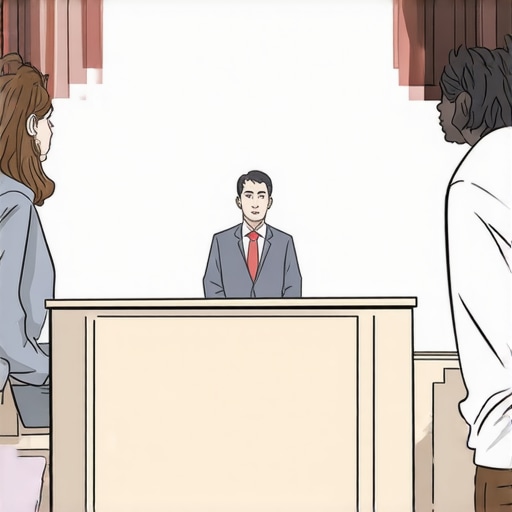
The air in my office is heavy with the scent of double-shot black coffee and the metallic tang of old case files. You sit across from me, clinging to the hope that a mediator can fix what a decade of marital discord destroyed. You are wrong. Your case is already taking on water because you are trying to use a scalpel in a zone that requires an armored division. I watched a client lose their entire claim in the first ten minutes of a deposition because they ignored one simple rule about silence. They thought being reasonable was a shield. In high-conflict family law, reasonableness is often just a target. If your spouse has a personality disorder or a penchant for legal abuse, mediation is not a shortcut. It is a tactical trap designed to drain your retainer and dull your edge before the real fight begins.
The inherent failure of good faith assumptions
Mediation fails with high-conflict opponents because the entire process relies on the false premise of mutual honesty and rational compromise. In the world of family law litigation, the high-conflict actor views the mediation table as a stage for performance rather than a forum for settlement. They utilize the confidential nature of the session to probe your legal services for weaknesses and gauge your emotional thresholds. While you are there to find a middle ground, they are there to find your breaking point. The strategic reality is that mediation requires a baseline of shared facts. High-conflict individuals thrive on the manipulation of facts, making the neutral third party an unwitting accomplice in their gaslighting. They will spend four hours debating the color of the sky if it means they do not have to discuss the division of the 401k. This is not negotiation. This is procedural stalling.
“Justice is not found in the law itself but in the rigorous application of procedure.” – Common Law Maxim
The tactical disadvantage of showing your hand early
Voluntarily revealing your evidence during a mediation session provides your opponent with a roadmap to defeat you in open court. Most legal services suggest mediation as a way to lower costs, but they ignore the informational leak that occurs. In a standard litigation track, discovery is a structured exchange governed by strict deadlines and the threat of sanctions. In mediation, those protections are softened. You might reveal a specific bank record or a witness statement hoping to force a settlement. Instead, the high-conflict ex uses that information to coach their witnesses or hide assets before you can file a formal motion to compel. Data from the field indicates that cases involving domestic narcissism see a thirty percent increase in total costs when mediation is attempted and fails, compared to cases that move directly to a decisive litigation stance.
The strategic trap of the neutral third party
Mediators are incentivized by settlement rates rather than the equity of the outcome for either party. A mediator is not a judge. They cannot issue orders and they cannot punish a liar. Their only goal is to get a signature on a piece of paper so they can mark the file closed. This creates a dangerous dynamic where the mediator often pressures the more reasonable party to give up more. They know they cannot move the high-conflict spouse, so they target you for concessions. They use the language of “moving on” and “peace” as weapons to convince you to accept a subpar deal. This is the hidden bleed of the mediation process. You pay a professional to help you surrender. True family law expertise recognizes that some people cannot be negotiated with; they can only be outmaneuvered in a courtroom where a judge has the power to hold them in contempt.
Discovery is the only leverage that matters
Formal litigation provides the hammer of discovery which is the only tool that reliably forces a high-conflict individual to comply. When we talk about legal services, the most potent weapon is the subpoena duces tecum. In mediation, you are asking for documents. In litigation, we are demanding them under the penalty of perjury. The difference is the weight of the state. High-conflict actors fear the light of a formal record. They thrive in the shadows of a private mediation room where no court reporter is present. By skipping the pretense of the settlement conference, you accelerate the timeline to the discovery phase. This is where we find the hidden accounts, the redirected bonuses, and the truth about the custodial schedule. While your peers are wasting months in circular discussions, the aggressive attorney is already building the evidentiary foundation that makes a trial unnecessary because the defense has nowhere left to hide.
“A lawyer’s duty to provide competent representation requires a thorough understanding of the strategic implications of all dispute resolution forums.” – ABA Model Rules of Professional Conduct
The financial drain of the cooperative facade
The cost of failed mediation includes not just the mediator fees but the loss of momentum in the legal calendar. Every day spent in a non-binding negotiation is a day your attorney is not preparing for a final hearing. In many jurisdictions, the court will stay discovery while the parties attempt mediation. For a high-conflict ex, this is a gift. It gives them a ninety-day window to continue their behavior without judicial oversight. While most lawyers tell you to sue immediately, the strategic play is often the delayed demand letter followed by a sudden, heavy strike in the form of a temporary orders hearing. This prevents the opponent from preparing for the shock of losing control. If you spend that time in mediation, you are essentially giving your enemy a head start to build their trenches. The ROI of litigation is found in the finality of a court order, not the fragility of a voluntary agreement that will be breached within a month.
The tactical reality of courtroom leverage
Courtrooms are designed to manage conflict through rules of evidence that strip away the emotional manipulation used by high-conflict spouses. A judge does not care about the long stories or the theatrical tears that work so well on a mediator. The court cares about Exhibit A and Exhibit B. When you move straight to litigation, you are forcing the conflict into a framework that favors the disciplined and the prepared. The high-conflict individual is often their own worst enemy when forced to answer direct questions under oath. They cannot handle the lack of control. They often unravel on the stand. This is where cases are won. Not over lukewarm coffee in a mediator’s office, but in the sterile, high-pressure environment of the witness box where every lie is a potential felony. If you want a resolution with a person who refuses to be fair, you must stop seeking their agreement and start seeking their defeat.