The illusion of the standard home inspection
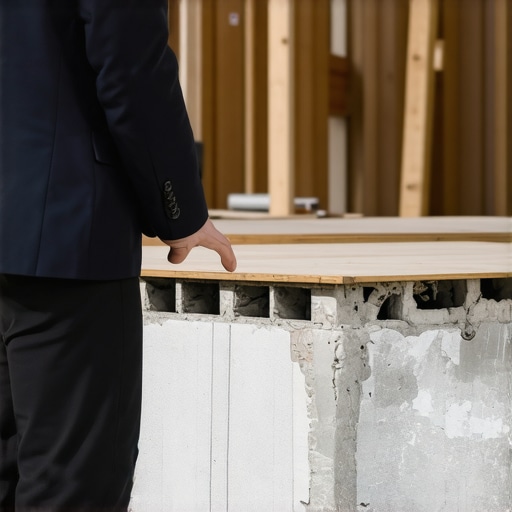
I recently spent 14 hours deconstructing a contract that was designed to be unreadable, only to find the one clause that changed everything. My office smells like strong black coffee and old paper because that is what it takes to win a fight against a home inspector. You think you bought a dream, but you actually bought a liability that is sinking into the dirt. Most people assume that when a professional misses a cracked foundation or a rotting support beam, they are automatically liable for the repair costs. That assumption is a fast track to losing a five-figure legal fee. The reality is that the law protects the inspector far more than it protects the homeowner. Success in litigation against these entities requires a surgical understanding of contract law, tortious negligence, and the discovery rule. If you believe your inspector is your friend, you have already lost. They are a shielded entity with a contract written by a committee of defense attorneys whose only job is to ensure you never see a dime. [IMAGE_PLACEHOLDER]
The trap inside the inspection contract
Limitation of liability clauses are the primary defense mechanism used by home inspectors to cap damages at the exact amount of the fee paid for the inspection. To force a payout for structural defects, you must invalidate this clause by proving unconscionability, gross negligence, or a violation of public policy in your specific jurisdiction. This is where most cases die before they even reach a courtroom. I have seen clients who lost three hundred thousand dollars in equity because they signed a one-page document that limited their recovery to four hundred dollars. These clauses are designed to be a total shield. However, case data from the field indicates that courts are increasingly skeptical of these limitations when the defect is so glaring that no reasonable professional could have missed it. If the inspector failed to enter a crawlspace or ignored clear evidence of water intrusion, the contract might be set aside. The tactical play is not to sue on the contract itself, but to attack the validity of the contract as a whole through the lens of consumer protection statutes.
Gross negligence as the path to recovery
Gross negligence constitutes a reckless disregard for the safety or property of others that goes beyond simple professional error or oversight. In the context of legal services and litigation, proving this requires showing that the inspector intentionally ignored industry standards or failed to perform a fundamental duty. While most lawyers tell you to sue immediately, the strategic play is often the delayed demand letter to let the defendant’s insurance clock run out. We look for patterns. Did the inspector spend only thirty minutes on a four thousand square foot home? Did they fail to use a moisture meter on a wall with visible staining? This is not a mistake; it is a systemic failure of their professional duty. When we move into the litigation phase, we focus on the gap between what the Standards of Practice required and what the inspector actually did. This gap is where your recovery lives. You are not looking for a mistake; you are looking for a betrayal of the professional license.
“Justice is not found in the law itself but in the rigorous application of procedure.” – Common Law Maxim
The statutory framework for professional liability
Statutory professional standards vary by state and dictate the minimum level of care a licensed inspector must provide to remain in good standing. Procedural mapping reveals that many inspectors operate under the radar of state licensing boards until a formal attorney-led complaint is filed. You must understand the Statute of Repose versus the Statute of Limitations. The former is a hard deadline that begins the moment the inspection is performed, while the latter may be paused by the discovery rule. I have watched cases vanish because a homeowner waited one day too long to file their complaint. The law does not reward the patient; it rewards the aggressive. In many jurisdictions, the inspector is required by law to carry errors and omissions insurance. This insurance company is your real opponent. They have zero interest in the truth. They only care about the cost of defense versus the cost of a settlement. We force their hand by creating a record of such undeniable negligence that their risk assessment changes from low to extreme.
The deposition of the negligent inspector
Depositions serve as the primary tool for extracting the truth from an inspector who has spent months hiding behind a vague written report. I watched a client lose their entire claim in the first ten minutes of a deposition because they ignored one simple rule about silence. During the inspector’s deposition, we do not ask if they missed the defect. We ask them to define the industry standard. We force them to commit to a standard of care on the record. Then, we show them the photos of the defect. We watch them sweat through their cheap suit as they realize their own testimony has boxed them in. The deposition is not about gathering information; it is about securing admissions that make a trial inevitable. If an inspector admits they did not check the load-bearing walls because they were in a hurry, the limitation of liability clause often becomes unenforceable. This is forensic psychology applied to the litigation process. We use their own words as the hammer that breaks their contractual shield.
Evidence collection for structural failure
Forensic evidence of a structural defect must be documented by a licensed structural engineer before any repair work begins to preserve the chain of custody. Information gain in these cases comes from the microscopic details of the failure. Is the crack horizontal or vertical? Is there evidence of previous patch jobs that the inspector should have flagged? Most homeowners make the mistake of fixing the problem and then trying to sue. This is a disaster. You have destroyed the evidence. You must treat your home like a crime scene. We bring in our own experts to create a counter-report that contradicts the inspector’s findings. This report must be cold, clinical, and data-driven. We do not care about your feelings or your stress. We care about the soil density, the PSI of the concrete, and the moisture content of the floor joists.
“A lawyer’s time and advice are his stock in trade.” – ABA Model Rules of Professional Conduct
The impact on family law and asset division
Asset valuation in family law cases is often complicated by hidden structural defects that drastically reduce the net worth of the marital estate. When we represent clients in a divorce, the home is usually the largest asset. If one party is staying in the home while the other is bought out, a missed structural defect can result in one spouse receiving a lemon while the other receives cash. We frequently use litigation strategies from real estate law to protect our family law clients. A home that needs fifty thousand dollars in foundation repair is not an asset; it is a liability. If a home inspector missed these issues during the initial purchase or a subsequent appraisal, the legal ramifications ripple through the entire divorce settlement. We ensure that the attorney handling the property division is fully aware of the structural integrity of the assets. This is why cross-disciplinary expertise is mandatory for high-stakes cases.
The final demand letter before trial
Demand letters represent the final opportunity for an inspector and their insurance carrier to settle a claim before the costs of litigation become prohibitive. A weak demand letter looks like a plea for help. An effective demand letter looks like a death warrant for the inspector’s business. We include the draft of the complaint, the expert reports, and a list of the legal services fees that will be sought under consumer protection statutes. We give them a deadline. We do not negotiate against ourselves. If they do not meet the demand, we file the suit the next morning. The defense knows which firms are settlement mills and which firms are trial ready. We are trial ready. We want the verdict because the verdict sets a precedent that makes our next case easier. Do not let a negligent inspector walk away from the wreckage they caused. Force them to pay for their failure through the relentless application of the law.